Looking for reliable HVAC replacement near you?
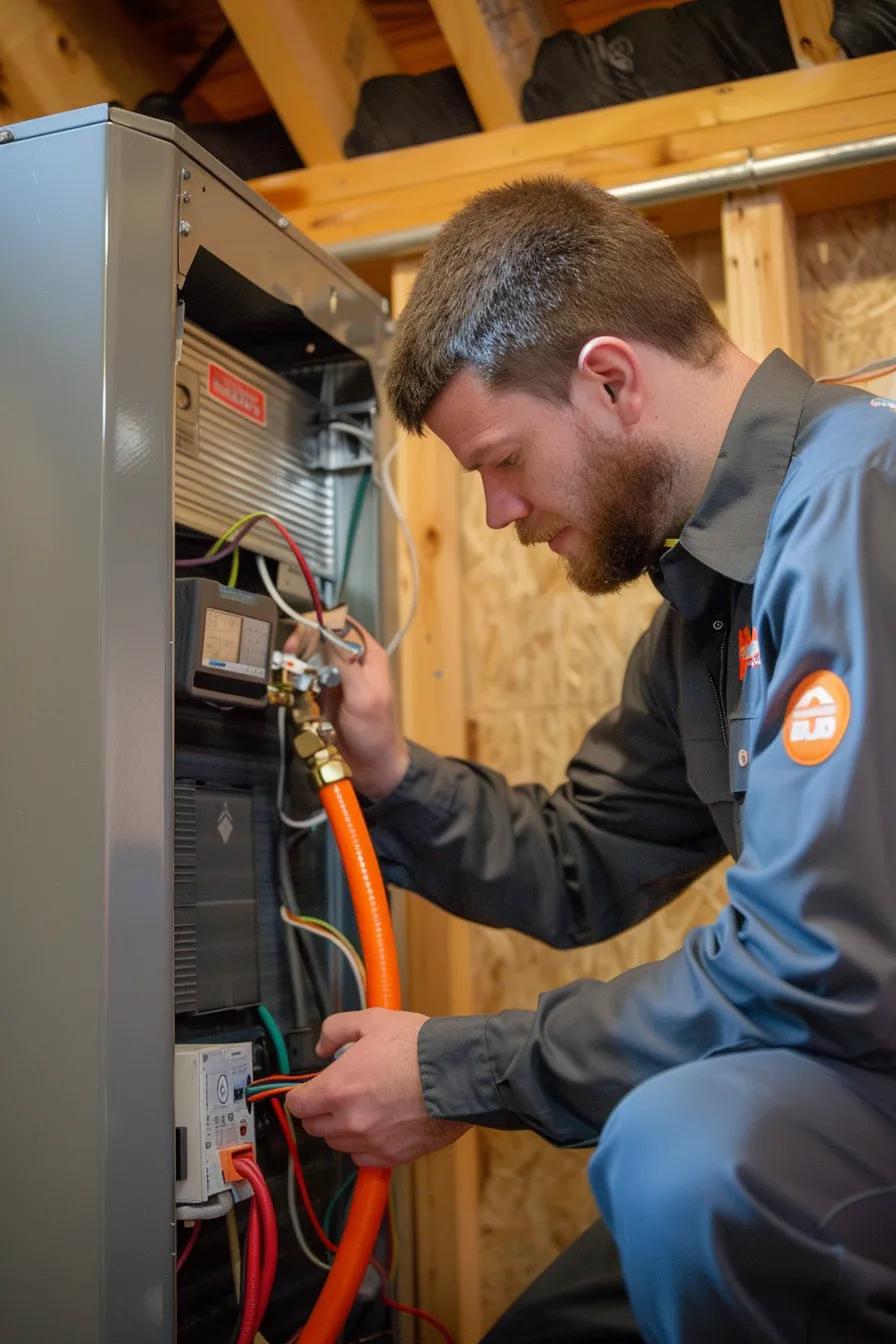
HVAC Replacement & Costs in Puget Sound – Ranger Heating & Cooling
A full HVAC replacement removes old heating and cooling equipment and installs a correctly sized, modern system to restore comfort, cut energy use, and improve indoor air quality. This guide shows how to spot when a furnace or air conditioner needs replacing, what replacement typically costs across Puget Sound in 2025, and which system types suit our local climate and housing stock. You’ll get a practical repair‑vs‑replace framework, a clear cost breakdown with typical price ranges, and a walk-through of the installer’s process from Manual J sizing through commissioning. We also compare furnaces, central air, heat pumps, and ductless mini‑splits for Puget Sound homes, cover financing and rebate options, and answer the most common questions people ask when searching for “hvac replacement near me.” Read on for local, actionable guidance and to know when it’s time to schedule a professional assessment.
Signs You Need an HVAC Replacement

Replacing your HVAC usually makes sense when performance, safety, or cost-efficiency have declined so much that repairs no longer deliver long-term value. Old systems show up as lower performance, higher energy bills, uneven temperatures, and frequent breakdowns—all of which add to lifetime cost and reduce comfort. Spotting these signs early helps you budget and pick a system that fits Puget Sound weather and your home’s construction. Below, we list the most common red flags and explain how to judge whether to repair or replace.
Look for a cluster of warning signs rather than relying on a single symptom; several problems together usually mean replacement is the smarter choice. Regular checkups and basic diagnostics can reveal whether a problem is one part or the whole system. Understanding these indicators prepares you for the furnace- and AC‑specific cues and the repair‑vs‑replace decision framework that follows.
How to Recognize When Your Furnace or AC Needs Replacing
Furnaces and central air systems age in predictable ways that help decide between repair and replacement. Furnaces lose efficiency as AFUE drops and parts like heat exchangers or ignition systems wear out. Air conditioners show falling SEER‑equivalent performance, refrigerant leaks, or compressor problems that can be expensive to fix. Safety issues—such as a suspected cracked heat exchanger—are a clear reason to replace rather than repair because of carbon monoxide risk. Many furnaces and central AC units reach replacement consideration after about 15–20 years, especially when repairs are frequent.
An on‑site inspection and performance tests tell whether a system can be repaired economically or if a new, properly sized unit will deliver better comfort and efficiency. Technicians check combustion safety, refrigerant charge, airflow, and duct condition before recommending the best path. Good diagnostics lead straight into a cost comparison that weighs repair expense against the long-term value of a new system.
Is It Better to Repair or Replace Your HVAC System?
Deciding to repair or replace comes down to three things: the repair cost versus replacement cost, the system’s remaining useful life, and the expected energy savings from new equipment. A common rule of thumb: if repairs are frequent or a single repair approaches half the cost of a new system, replacement is usually the wiser financial move. Efficiency gains—measured by SEER for cooling and AFUE or HSPF for heating—translate to real annual utility savings and belong in the calculation.
Use a simple comparison: estimate repair cost, estimate new‑system cost (including ductwork or permits), and calculate payback from energy savings and lower maintenance. If repairs will recur or comfort and indoor‑air issues remain after repair, replacement is typically the prudent choice. That brings us to the next question: how much will replacement cost in Puget Sound?
How Much Does HVAC Installation and Replacement Cost in Puget Sound?
Replacement cost depends on system type, capacity, efficiency, ductwork condition, and installation complexity. In Puget Sound, whole‑home heating and cooling replacements cover a wide range based on those variables. Equipment (furnace, air handler, outdoor condensing unit, heat pump), combined with labor, permits, and ductwork upgrades, set the final price. Local labor rates and permitting rules across Puget Sound also affect cost, and higher‑efficiency equipment adds upfront expense while lowering operating costs over time.
Below is a concise comparison of common system types with the main cost drivers and typical Puget Sound price ranges for 2025 to help set expectations.
| System Type | Primary Cost Drivers | Typical Puget Sound Price Range (2025) |
|---|---|---|
| Furnace + Central AC | Equipment efficiency, size (BTU/ton), ductwork condition | $7,000 – $15,000 |
| Air-Source Heat Pump (whole-home) | Heat pump capacity, dual‑fuel integration, SEER/HSPF | $9,000 – $18,000 |
| Ductless Mini-Split | Number of zones, indoor unit count, installation complexity | $4,000 – $11,000 |
| High-efficiency Upgrade (SEER/AFUE top tier) | Premium equipment and labor for modifications | $11,000 – $22,000 |
These ranges are typical rather than exact quotes; the final price depends on home size, accurate sizing, and any needed ductwork or electrical upgrades. Understanding the range helps you plan and decide who to call for an on‑site estimate.
After reviewing ranges, consider the specific factors that push a job toward the low or high end and explore financing options to manage the upfront cost.
What Factors Influence New HVAC System Cost?
Several linked variables determine installed price: system type (furnace, heat pump, ductless), rated efficiency (SEER, AFUE, HSPF), the size required for your home (Manual J load calculation), the condition of existing ducts, and installation complexity (access, electrical upgrades, refrigerant lines). Local labor and permit fees vary across Puget Sound cities, and specialty work like custom sheet‑metal or structural modifications raises cost. Higher‑efficiency equipment and certified dealer partnerships also affect pricing, but can qualify you for rebates or utility incentives that offset initial expense.
For example, a typical 1,800–2,400 sq ft Puget Sound house with sound ductwork might see a mid‑range heat pump fall near the middle of the ranges above, while a home needing full duct replacement will land toward the high end. Accurate planning begins with a Manual J and an inspection of ductwork and electrical systems to identify required modifications before installation.
What Financing Options Are Available for HVAC Replacement?
Financing turns a large upfront cost into predictable monthly payments. Common options include manufacturer financing, in‑house payment plans, and third‑party consumer loans—terms and APRs vary by program. Ranger Heating & Cooling promotes “Easy Monthly Payments” and other financing choices to help homeowners spread cost while improving comfort and efficiency; we recommend requesting a personalized payment example when you schedule a quote.
When comparing programs, look at total cost over the term, any promotional 0% interest offers, and whether monthly payments line up with expected energy savings from a more efficient system. Knowing financing options before the on‑site assessment makes decisions smoother and reduces surprises at install time.
Which Types of HVAC Systems Can Be Replaced Near Me?
Puget Sound homeowners can replace older systems with several modern options: furnace-plus-central‑AC, whole‑home air‑source heat pumps, and ductless mini‑splits for zoned comfort. Each system brings different heating and cooling characteristics, efficiency metrics (SEER, AFUE), and installation needs that determine the best fit for a given home. Because our climate is mild, heat pumps are often a strong choice for efficient year‑round comfort, though furnaces remain common where homes already have gas hookups.
Below is a comparison to help match system features to home type and comfort goals.
| System Type | Key Attributes (Heating/Cooling, Efficiency Metrics) | Best For (home type/size/zone) |
|---|---|---|
| Furnace + Central AC | Heating (AFUE), Cooling (SEER) — dependable performance | Homes with existing ducts and gas connections |
| Air-Source Heat Pump | Heating & cooling in one; HSPF and SEER matter | Whole‑home efficiency in mild climates |
| Ductless Mini-Split | Zoned control, high SEER, little or no ductwork | Additions, older homes without ducts, targeted zones |
| Hybrid/Dual-Fuel | Heat pump + furnace integration for cold snaps | Homes wanting heat pump efficiency with gas backup |
This comparison highlights trade‑offs between installation complexity and long‑term savings so you can prioritize what matters for your property.
If you’re unsure which system fits best, schedule an on‑site assessment that inspects ductwork, checks insulation and windows, and performs a Manual J load calculation. Ranger Heating & Cooling’s team works across furnaces, air conditioners, heat pumps, and ductless systems and can provide local guidance and an equipment recommendation tailored to your home.
Benefits of Furnace Replacement in Tacoma
Replacing an older furnace in Tacoma usually improves AFUE‑based efficiency, lowers seasonal heating bills, and restores reliable, safe operation. Modern furnaces offer better combustion control, improved heat exchangers, and variable‑speed blowers for quieter, more consistent comfort. For Tacoma homes with gas service and good ductwork, a furnace replacement can be a cost‑effective way to upgrade performance without changing your distribution system.
Replacement also creates the chance to seal ducts, upgrade thermostats, or plan for a future heat‑pump conversion. Homeowners should weigh the furnace’s efficiency gains against the long‑term value of switching to air‑source heat pumps given regional incentives and evolving energy trends.
How Heat Pump Replacement in Federal Way Improves Efficiency
Heat pumps heat and cool by moving heat rather than generating it, which makes them especially effective in Federal Way’s mild maritime climate. Replacing an older unit with a modern air‑source heat pump can cut annual energy use significantly—often double‑digit percentage savings compared with aging electric resistance or low‑efficiency systems. Heat pumps also reduce fossil fuel use when paired with cleaner electricity sources, lowering your home’s carbon footprint.
For Federal Way homeowners, a correctly sized heat pump smooths temperature control year‑round, reduces peak heating demand, and often qualifies for regional rebates that improve payback. Those benefits make heat pumps an attractive replacement option for many Puget Sound homes.
Step‑by‑Step Process for HVAC Replacement Near Me
A well‑run HVAC replacement follows a clear sequence from consultation and sizing through installation, testing, and follow‑up so the system performs as promised. The process starts with an on‑site consultation and a Manual J load calculation to size equipment and identify ductwork or electrical work. After you approve a written proposal that outlines equipment, labor, permits, and schedule, we pull permits, prepare the site, install the system, and complete commissioning and testing. Final steps include warranty registration, a customer walk‑through, and setting up any recommended maintenance.
| Step | Who Is Involved | What Happens | Customer Expectation/Outcome |
|---|---|---|---|
| Consultation & Load Calc | Homeowner + Technician | Manual J sizing, duct inspection | Accurate equipment recommendation |
| Proposal & Approval | Contractor + Homeowner | Written scope, pricing | Clear contract and schedule |
| Permits & Prep | Contractor | Permit pull, site prep | Compliance with local codes |
| Installation & Commissioning | Install team | Equipment install, airflow/refrigerant testing | System runs to spec |
| Handoff & Warranty | Technician + Homeowner | Walk-through, paperwork | Warranty registered, maintenance plan |
Ranger Heating & Cooling follows these steps and adds quality checks and customer service touchpoints to ensure your installation delivers comfort and long‑term reliability.
How Ranger Heating & Cooling Ensures Quality Installation
We rely on certified technicians and strong manufacturer partnerships to protect installation quality and long‑term performance. Our technicians follow standard commissioning steps—verifying refrigerant charge, airflow, control setup, and safety interlocks—and document results for you. Ranger’s service includes a lifetime workmanship warranty that covers installation quality and gives homeowners extra peace of mind, plus priority 24‑hour response for maintenance members when fast service matters. Combined with NATE certification and manufacturer recognitions like Trane Comfort Specialist status, these practices help ensure installations meet factory requirements and modern standards.
Those quality assurances set clear expectations for post‑install support and what you should expect on installation day.
What to Expect During and After HVAC Installation
On install day, our crews protect floors and belongings, remove old equipment, and complete mechanical and electrical connections with safety and code compliance top of mind. Full‑system replacements usually take one to three days depending on complexity, ductwork changes, and access; single‑unit swaps are often shorter. After installation, the team runs functional tests, demonstrates system operation, provides documentation and warranty registration, and reviews basic maintenance steps with you. We follow up to schedule any recommended maintenance and confirm the system meets your comfort expectations over the first few weeks.
Clear communication about schedule, site protection, and handoff paperwork minimizes disruption and ensures you understand maintenance needs and warranty coverage going forward.
Why Choose Ranger Heating & Cooling for HVAC Replacement in Puget Sound?
Ranger Heating & Cooling is a local Puget Sound partner combining certified technicians, transparent pricing, and customer‑focused guarantees to make replacements less risky and more predictable. We deliver quality installations backed by a lifetime workmanship warranty and offer easy monthly payment options so homeowners can manage cost without sacrificing equipment or installation standards. Additional benefits include a free HVAC diagnostic when same‑day repairs are completed (diagnostic fee waived) and priority 24‑hour response for maintenance members to reduce downtime. Ranger’s local experience and straightforward pricing are meant to simplify the replacement decision for homeowners across the Puget Sound region.
Those trust signals are supported by third‑party ratings and certifications that reflect technical skill and customer satisfaction.
Ranger’s Unique Benefits: Lifetime Warranty and 24‑Hour Service
Ranger’s lifetime workmanship warranty means we stand behind our installation work for the life of the installation under the terms of the warranty, giving homeowners long‑term protection beyond equipment warranties. Priority 24‑hour service for members provides faster response when urgent failures happen, which matters during extreme weather or when a system is critical. We also offer financing paths described as easy monthly payments and waive diagnostic fees when same‑day repairs are completed, removing friction for prompt service. These customer benefits are designed to lower risk, clarify cost, and deliver quick support when you need it.
How Customer Reviews Reflect Ranger’s Replacement Quality
Aggregate ratings show broad positive feedback, with a reported 4.9 out of 5 average across a large customer base and more than 35,000 clients served—an indicator of consistent performance and scale. While individual testimonials aren’t reproduced here, that rating combined with certified technicians and our workmanship warranty supports Ranger’s position as a reliable local provider in Puget Sound. Use this aggregate data alongside proposal clarity, equipment choices, and warranty terms when choosing a contractor for replacement work.
These reputation signals complement the technical and financial factors already discussed and precede common homeowner questions about timelines and efficiency.
Frequently Asked Questions
What should I consider when choosing an HVAC system for my home?
Think about your home’s size, insulation, and existing ductwork. Consider local climate when weighing system types, and compare energy‑efficiency ratings like SEER for cooling and AFUE for heating—higher numbers usually mean lower bills. Factor in installation costs, available rebates, and financing to pick a system that fits both your comfort needs and budget.
How can I improve the efficiency of my existing HVAC system?
Regular maintenance goes a long way: change filters, clean ducts, and schedule professional inspections. Seal leaks in ductwork and improve insulation where needed. Installing a programmable or smart thermostat helps control run times. Upgrades like variable‑speed blowers or improved controls can boost efficiency without a full replacement.
What are the environmental benefits of replacing an old HVAC system?
Modern, energy‑efficient systems use less energy and therefore reduce greenhouse gas emissions. Newer refrigerants also have lower environmental impact than older ones. Upgrading improves efficiency, cuts utility bills, and helps reduce reliance on fossil fuels—especially when paired with cleaner electricity sources.
How do I prepare my home for HVAC installation?
Clear the work areas of furniture and personal items to give technicians easy access. Secure pets in a safe area away from the work zone. Create a path for moving equipment in and out, and discuss any specific concerns or site requirements with your contractor ahead of the appointment. Being ready helps the crew stay on schedule and reduces disruption.
What maintenance is required after HVAC installation?
After installation, schedule annual professional inspections to check efficiency, clean components, and catch issues early. Change filters every 1–3 months to maintain airflow and indoor air quality. Keep outdoor units clear of debris and ensure proper drainage. Follow the manufacturer’s maintenance guidance and keep a simple log to protect performance and warranty coverage.
Are there any local incentives for upgrading my HVAC system?
Yes—many local utilities and government programs offer rebates, tax credits, or low‑interest financing for energy‑efficient HVAC upgrades. Check with your utility or state energy office for current incentives, and ask your contractor about available rebates or promotions that can lower upfront cost.
How Long Does HVAC Replacement Take?
Timelines depend on scope. Replacing an outdoor condenser or swapping a single air handler can often be done in one day. Full replacements involving furnace, condenser, air handler, and ductwork typically take one to three days on site. Permit turnaround, parts availability, and access constraints can add time. Scheduling during milder seasons and preparing the work area ahead of time helps minimize disruption. Clear communication from your contractor about a projected timeline and staging plan reduces uncertainty and lets you plan accordingly.
What Are the Energy Efficiency Benefits of a New HVAC System?
Upgrading to ENERGY STAR equipment and higher SEER, AFUE, or HSPF ratings generally reduces energy use and improves comfort through better temperature and humidity control. Modern systems often deliver 10–30% efficiency improvements over mid‑life units, with larger gains when replacing very old equipment, sealing ducts, and adding smart controls. Those savings lower utility bills, reduce peak demand, and shrink your household carbon footprint when paired with cleaner electricity. Estimating savings requires comparing your current system performance, local utility rates, and the efficiency ratings of the new equipment to project payback periods.
Compare projected savings with financing options and local rebates to choose the best time to replace your HVAC system.
Conclusion
Replacing your HVAC restores comfort, improves indoor air quality, and reduces energy costs. Knowing the signs of system failure and the likely costs empowers you to make informed, confident decisions. Choosing a reliable local company like Ranger Heating & Cooling helps ensure a smooth installation backed by quality guarantees. Ready to get started? Explore our HVAC solutions and schedule an on‑site assessment to find the right option for your home.